
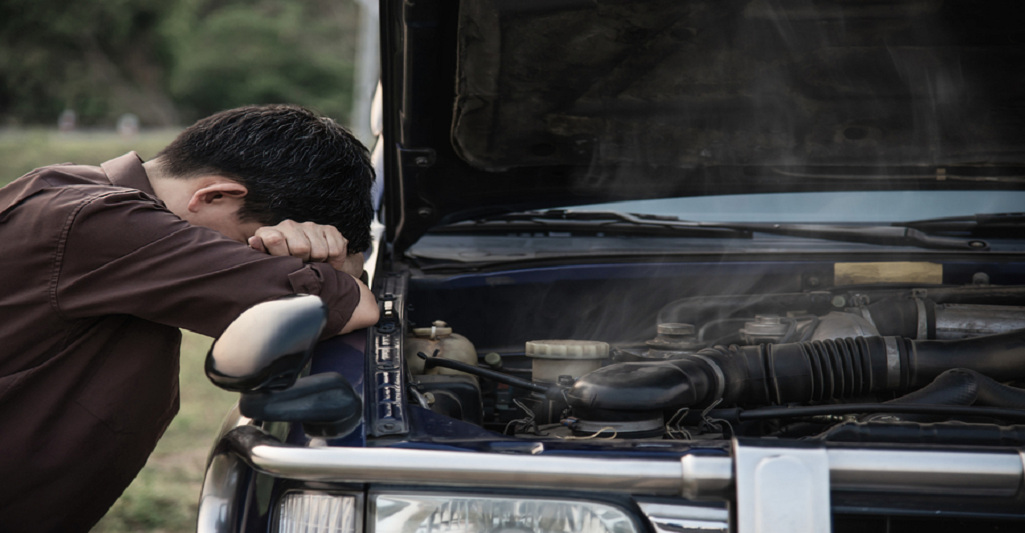
Having a car in Perth is often a relief, however, like any machine, cars can become a headache when it comes to maintenance and upkeep. Regular care can extend your car’s life significantly, however ignoring little problems can create major mechanical issues, at times leading to a situation where the failure of your vehicle becomes scrap, and we have to dispose of it to car wreckers Perth. In this blog, we will discuss five mechanical problems that can make your car unroadworthy, and details on what to watch for to avoid costly repairs.
Mechanical Problems That Could Turn Cars Into Scrap
Here is the detailed explanation of mechanical problems that are making your vehicle scrap:
1. Engine Failure
Every vehicle has an engine, and an engine failure makes your car, just a metal shell. The engine failure can be a result of overheating, lack of oil, lack of maintenance or faults in manufacture. If the engine failure is too large or expensive to repair, then the cost to replace it may not make it worthwhile to fix. If your engine is failing, and you are unable to repair it, you can always call car wreckers Perth service providers and sell your car for parts or recycle it properly.
Signs to Watch For:
- Check engine light: This could be nothing major, but if you ignore a little problem, it can get bigger.
- Strange noises: Knocking or ticking sounds are often a sign of internal damage or low oil.
- Overheating: If your car is running hot all the time, it could mean that the water pump, radiator or thermostat is failing.
2. Transmission Problems
The transmission transmits power from your engine to the wheels, which allows your vehicle to move. If the transmission becomes faulty, it can negatively affect your car suddenly, and you will find yourself stuck on the side of the road. Replacing a transmission can cost thousands of dollars, and in an older car, it may not be worth it. If you think to scrap your car, car wreckers Perth service is the best because here you can sell your car without completing repairs.
Signs to Watch For:
- Slipping gears: If your car shifts out of gear or appears to have difficulty staying in gear on its own, it could mean that the transmission may be failing.
- Delayed acceleration: If you notice that your car doesn’t respond right away when you push down the accelerator, it might be in the early stages of transmission failure.
- Strange sounds: You experience grinding or whining noises, which can commonly indicate an issue within your transmission.
3. Timing Belt Failure
The timing belt allows the camshaft and crankshaft of the engine to work in harmony. When the timing belt breaks or fails to function properly, serious damage can occur. Whether the timing belt itself has broken or slipped out of position, it may cause catastrophic damage to the engine, which is then almost always concerned with bent valves or possibly even a cracked head. However, in the instance where repairs are not worth the cost, the car wreckers Perth are happy to take away your car and reimburse you for your efforts, or they will be more than happy to recycle your car for you if it’s worthless.
Signs to Watch For:
- Engine misfires: A worn or defective timing belt can cause the engine to not run smoothly as the engine struggles to keep in time.
- Unusual noises: A squeaking or ticking noise coming from the front of the engine may mean the timing belt is failing.
- Check engine light: The broken timing belt can cause misalignment and raise the ‘check engine’ light.
4. Brake System Failure: A Safety Hazard
Brakes are a vehicle’s most important safety equipment. When brakes are worn, damaged, or faulty, it can lead to a serious accident. Issues with the brake system occur over time – brake pads are supposed to be changed regularly as part of the vehicle’s maintenance. If it costs more to replace the brake system than the value of the vehicle, consider selling it to car wreckers Perth.
Signs to Watch For:
- Squealing or grinding noises: Worn brake pads will squeal like a stuck pig. If you hear grinding, it usually means that pads are worn totally and the metal is grinding into the rotor.
- Vibrations or pulsations: If you are experiencing vibrations in the steering wheel or brake pedal when you use the brakes, you may have warped rotors.
- Soft or spongy brake pedal: This indicates that air is in the brake line or the master cylinder is failing.
5. Suspension Problems: A Bumpy Ride
A car’s suspension system allows a smooth ride by absorbing shocks from road bumps. It also keeps the tires in contact with the road to provide handling. Suspension problems are not just uncomfortable; they can be dangerous if they are affecting your vehicle’s stability and handling. If the suspension problems are associated with frame damage or excessive rust, your vehicle is likely toast.
Signs to Watch For:
- Bouncing or swaying: If your car bounces – It should stop bouncing after an additional bump! Your shocks or struts may be worn and exposed to the bumps.
- Pulling to one side: Uneven suspension can cause your car to pull to the left or right while driving.
- Uneven tire wear: If one or more tires show signs of uneven tire wear, it may be the result of suspension problems.
Conclusion
Regular maintenance and timely repairs are essential in keeping your car in good working condition. While some issues are inevitable as your car ages, many of the problems mentioned above can be prevented through routine inspections and early intervention. By staying on top of your car’s health, you can extend its lifespan and avoid the heartache of watching it turn into scrap metal.