
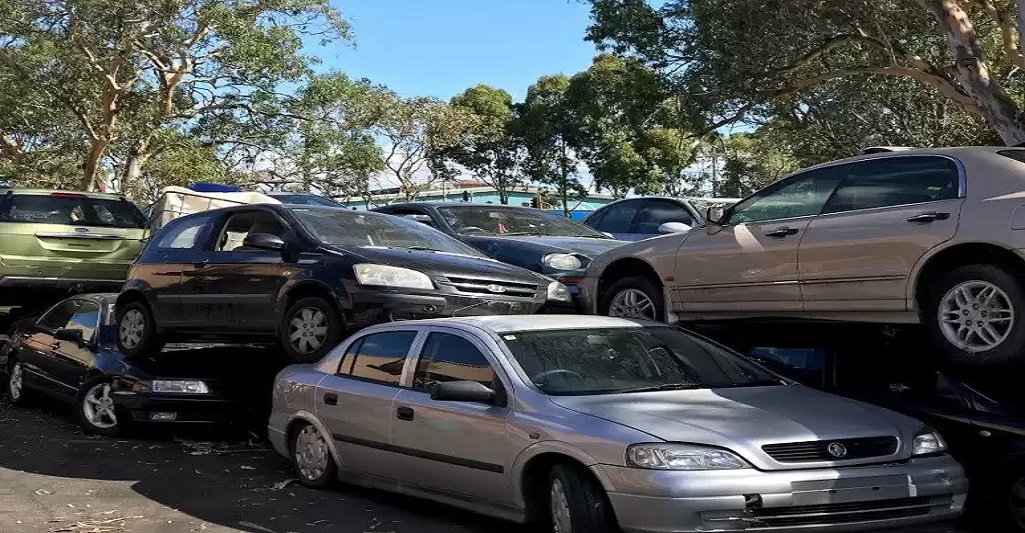
Dealing with a damaged vehicle can be stressful, especially when repair costs begin adding up quickly. Many car owners in Perth often struggle to decide whether repairing their vehicle is worth the expense or if replacing it is the smarter option. In some situations, selling the car to car wreckers Perth services may even become a more practical and cost-effective solution for heavily damaged or ageing vehicles. Understanding the condition of your vehicle, repair expenses, safety concerns, and long-term value can help you make the right decision.
Understanding the Cost of Vehicle Repairs
One of the first things to consider is the total repair cost compared to the current market value of the vehicle. Minor repairs such as replacing headlights, fixing dents, or repairing brakes may be affordable and worthwhile. However, major problems involving the engine, transmission, suspension, or structural damage can quickly become expensive.
Labour costs, replacement parts, and diagnostic work can significantly increase the final repair bill. In many cases, older vehicles may require repeated repairs over time, making ownership more costly in the long run.
When a Car Is No Longer Worth Repairing
A vehicle may no longer be financially worth repairing if repair costs exceed a large percentage of its market value. Many automotive experts suggest that if repairs cost more than 50% to 70% of the car’s value, replacement may be the better option.
For example, spending several thousand dollars repairing a vehicle with low resale value may not make financial sense. Cars with serious engine failure, flood damage, severe accident damage, or rusted structural components often become uneconomical to repair.
Read More – Discover the Best Auto Wreckers in Perth for Your Old Car
How Accident Damage Impacts Resale Value
Accident damage can significantly reduce a vehicle’s resale value, even after repairs are completed. Many buyers are cautious about purchasing cars with a history of major accidents because hidden structural or mechanical issues may still exist.
Frame damage, airbag deployment, and extensive body repairs can make vehicles more difficult to sell privately. Insurance records and vehicle history reports may also affect buyer confidence and lower resale prices.
Signs It May Be Better to Replace Your Car
Several warning signs may indicate that replacing the vehicle is a smarter decision than continuing repairs. If the vehicle constantly breaks down, consumes excessive fuel, or requires major repairs every few months, ownership costs can quickly become overwhelming.
Older vehicles with outdated safety features may also expose drivers to higher risks on the road. Modern vehicles often provide improved fuel efficiency, better technology, and enhanced safety systems that reduce long-term operating costs.
Rust damage, recurring transmission problems, overheating issues, and electrical failures are common signs that replacement may be more practical than ongoing repairs.
Repair vs Replacement: Which Option Saves More Money?
The decision between repairing or replacing a damaged vehicle often comes down to long-term financial value. Repairing a car may seem cheaper initially, but repeated maintenance costs can eventually exceed the price of purchasing another vehicle.
When comparing options, consider:
- Future repair expenses
- Fuel efficiency
- Insurance costs
- Vehicle reliability
- Safety improvements
- Resale value
If the vehicle still has strong market value and only requires minor repairs, fixing it may be worthwhile. However, if major mechanical failures continue to occur, replacing the vehicle can often provide greater long-term savings and peace of mind.
Can You Sell a Damaged Vehicle in Perth?
Yes, damaged vehicles can still be sold in Perth, even if they are no longer roadworthy. Many buyers, recyclers, and automotive businesses purchase damaged, old, or unwanted vehicles for parts recycling, dismantling, or scrap metal recovery.
Before selling the vehicle, owners should gather proof of ownership, registration papers, and any available service records. Being honest about the vehicle’s condition can help avoid disputes during the sale process.
What Happens to Unrepairable Vehicles?
When a vehicle is considered beyond economical repair, it is often dismantled and recycled through the automotive recycling process. Usable components such as engines, gearboxes, batteries, wheels, and electronics may be removed and resold as second-hand parts.
Hazardous fluids including fuel, coolant, and oil are safely drained to prevent environmental contamination. The remaining metal shell is then processed for scrap metal recycling, helping reduce landfill waste and conserve raw materials.
Final Thoughts
Deciding whether to repair or replace a damaged vehicle depends on several important factors including repair costs, vehicle age, safety, reliability, and long-term value. While minor repairs may extend the life of a dependable vehicle, major damage or ongoing mechanical issues can make replacement the smarter financial choice.
Carefully comparing repair expenses with the vehicle’s overall value can help you avoid unnecessary costs and make a more informed decision. Whether you choose to repair, replace, or sell the vehicle, understanding your options can help you move forward with confidence.