
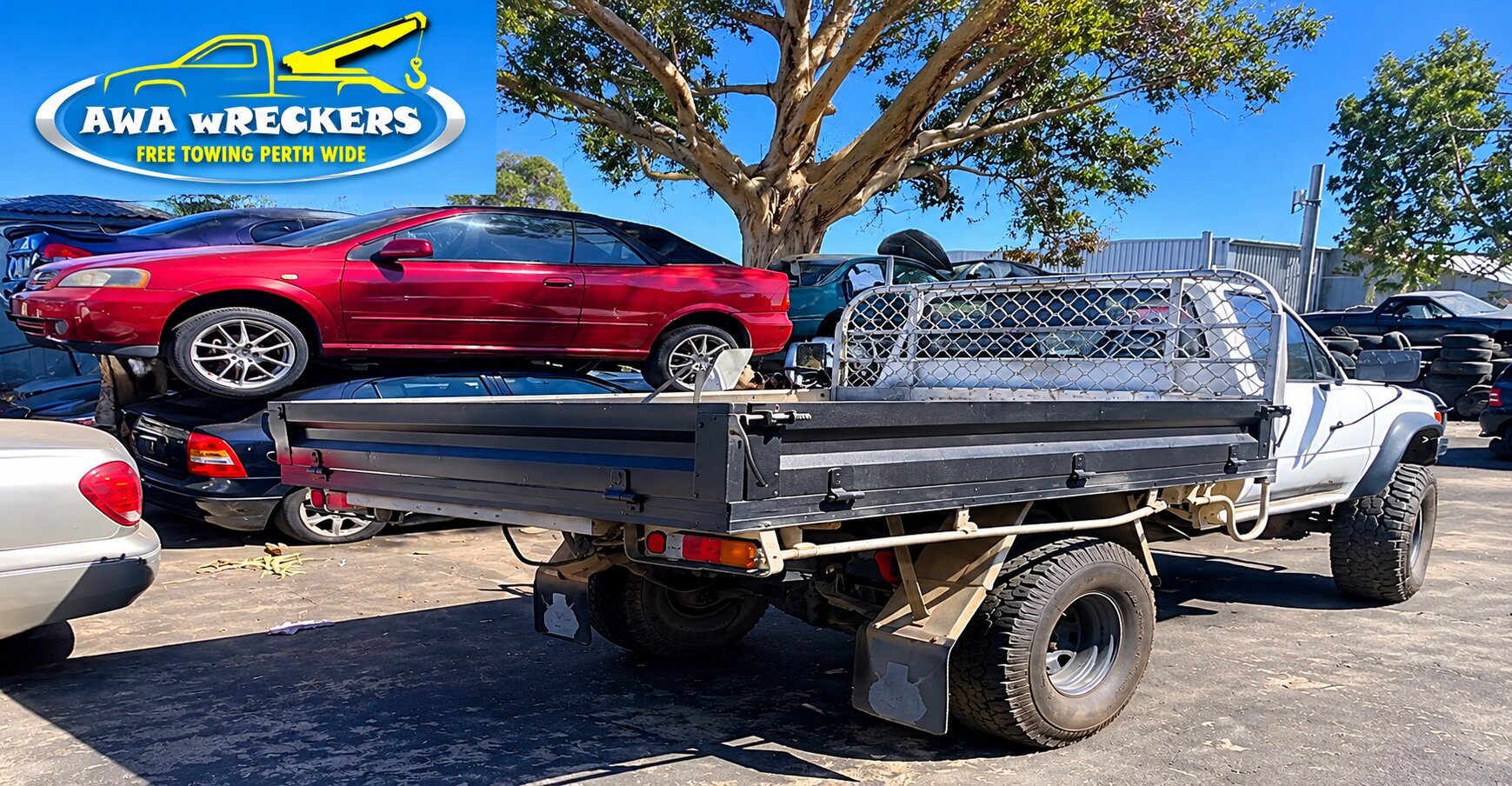
Australia’s automotive industry generates thousands of end-of-life vehicles that require careful handling and responsible disposal. Instead of allowing unwanted cars to become unnecessary waste, automotive recycling gives many of their components and materials another purpose. Auto wreckers Perth play an important role in this process by recovering reusable parts, separating recyclable materials and helping reduce the demand for newly manufactured resources. This approach supports Australia’s circular economy, where products and materials remain useful for as long as possible.
What Is a Circular Economy in the Automotive Industry?
A circular economy focuses on reducing waste by keeping products, components and raw materials in circulation. In the automotive industry, this means finding practical ways to reuse vehicle parts, recover valuable materials and recycle components that can no longer serve their original purpose.
Traditional disposal methods often treat an unwanted vehicle as waste. However, a vehicle contains many materials that still have value. Its engine components, transmission, electrical systems, tyres, glass and metal body panels may have opportunities for reuse or recycling.
Automotive recycling helps extend the useful life of these resources. Rather than relying entirely on newly manufactured components, repairers and vehicle owners can consider suitable recycled alternatives.
How End-of-Life Vehicles Are Processed
Responsible vehicle recycling involves several stages. Each stage helps identify what can be reused, recovered or safely managed.
1. Vehicle Assessment
The process begins with an assessment of the vehicle’s overall condition. Its age, mechanical condition, accident damage and individual components are considered to determine which parts may be suitable for recovery.
2. Removal of Reusable Components
Parts that remain in suitable condition can be removed for potential resale. These may include mirrors, doors, alternators, starter motors, gearboxes and other mechanical or electrical components.
3. Safe Removal of Hazardous Materials
Vehicles contain fluids and materials that require careful handling. Engine oil, coolant, brake fluid, fuel and batteries must be managed appropriately before further dismantling takes place.
4. Material Separation
Once reusable components have been removed, recyclable materials are separated. Metals, plastics, glass and other materials can be directed towards appropriate recycling processes.
5. Recycling and Material Recovery
Recovered materials are sent through suitable recycling channels where they can be processed into resources for future manufacturing and industrial applications.
Recycle Your Unwanted Car – Call AWA Wreckers: 08 6249 3840.
Recovering Reusable Parts for Future Vehicle Repairs
One of the most valuable contributions of automotive recycling is the recovery of functional vehicle components.
A damaged or unwanted vehicle may still contain parts that are suitable for use in another vehicle. Depending on their condition and compatibility, components such as engines, gearboxes, alternators, starter motors, headlights and body panels may be recovered.
Using suitable second-hand components can offer vehicle owners and repair workshops an alternative to purchasing brand-new replacements. It may also help reduce the number of usable components that would otherwise be discarded.
However, not every recovered component is suitable for reuse. Parts should be assessed for condition, compatibility and safety before installation.
What Happens to Metals and Other Vehicle Materials?
Modern vehicles contain a combination of recyclable and non-recyclable materials. Recovering these resources helps reduce unnecessary disposal and supports more efficient material use.
- Steel and Iron: These materials are commonly found in vehicle frames, body panels and structural components. Recovered metals can be processed for use in new steel products.
- Aluminium: Engine components, wheels and selected body parts may contain aluminium. This metal can be recycled and used in various manufacturing applications.
- Copper: Wiring systems, electric motors and electrical components contain copper, which can be recovered through appropriate recycling processes.
- Plastics: Bumpers, dashboards, interior trims and other vehicle components contain different types of plastics. Their recycling depends on material type and available processing facilities.
- Glass and Rubber: Windscreens, windows and tyres may also enter specialised recovery or recycling streams where suitable facilities are available.
Separating these materials correctly helps ensure that valuable resources are not unnecessarily mixed with general waste.
Why Responsible Fluid and Battery Removal Matters
Vehicle recycling is not only about recovering valuable components. It also involves preventing potentially harmful substances from entering the surrounding environment.
Cars contain several fluids, including engine oil, transmission fluid, coolant, brake fluid and fuel. If these substances are released carelessly, they can contaminate soil and water.
Vehicle batteries also require appropriate handling because they contain materials that need controlled recovery and disposal.
Responsible dismantling practices involve identifying these substances, removing them carefully and directing them towards suitable treatment or recycling facilities.
This stage is essential for making automotive recycling safer and more environmentally responsible.
Need Car Removal? Call AWA Wreckers: 08 6249 3840.
How Automotive Recycling Benefits Australian Communities
The benefits of vehicle recycling extend beyond individual car owners. It can support businesses, repair workshops, manufacturers and communities across Australia.
- Reduced Demand for New Resources – Recovering metals and reusable components can reduce the need for some newly extracted raw materials.
- More Affordable Repair Options – Suitable recycled parts may provide a cost-effective alternative for people repairing older vehicles or managing unexpected mechanical problems.
- Less Unnecessary Waste – Recovering useful components and materials helps reduce the amount of vehicle-related waste sent for disposal.
- Support for Local Businesses – Automotive recycling creates work across vehicle collection, assessment, dismantling, parts handling and material recovery.
- Greater Resource Efficiency – Keeping usable materials in circulation supports a more efficient approach to manufacturing, repairs and resource management.
These benefits demonstrate how responsible vehicle recycling contributes to a more sustainable automotive industry.
What Car Owners Can Do to Support Vehicle Recycling
Vehicle owners also have a role in supporting the circular economy. When a car becomes damaged, unreliable or too expensive to repair, responsible recycling may be worth considering.
Before arranging vehicle removal, owners can take a few practical steps:
- Remove personal belongings and documents from the vehicle.
- Keep registration and ownership information available.
- Share accurate details about the vehicle’s condition.
- Mention whether the car has accident damage or mechanical problems.
- Ask how reusable components and recyclable materials are handled.
- Choose a vehicle recycling business that follows responsible dismantling practices.
Providing accurate information helps make the vehicle assessment and collection process more straightforward.
The Future of Australia’s Automotive Recycling Industry
The automotive industry continues to change as manufacturers introduce electric vehicles, advanced electronics and new vehicle materials.
These developments create new opportunities and challenges for automotive recyclers. Electric vehicle batteries, electronic control systems and specialised components require appropriate knowledge and handling procedures.
As vehicle technology develops, recycling processes will also need to adapt. Better material identification, improved dismantling methods and more effective recovery systems can help keep valuable resources in circulation.
The continued development of responsible recycling practices will be important in supporting Australia’s transition towards a more resource-efficient automotive industry.
Conclusion
Australia’s circular economy depends on making better use of existing resources and reducing unnecessary waste. Automotive recycling contributes to this goal by giving suitable vehicle components another opportunity for use and recovering valuable materials from end-of-life cars.
Through careful assessment, responsible dismantling and material recovery, auto wreckers help create a more resource-efficient automotive industry. For vehicle owners, choosing a responsible recycling option is a practical way to ensure an unwanted vehicle can still contribute value beyond its time on the road.