
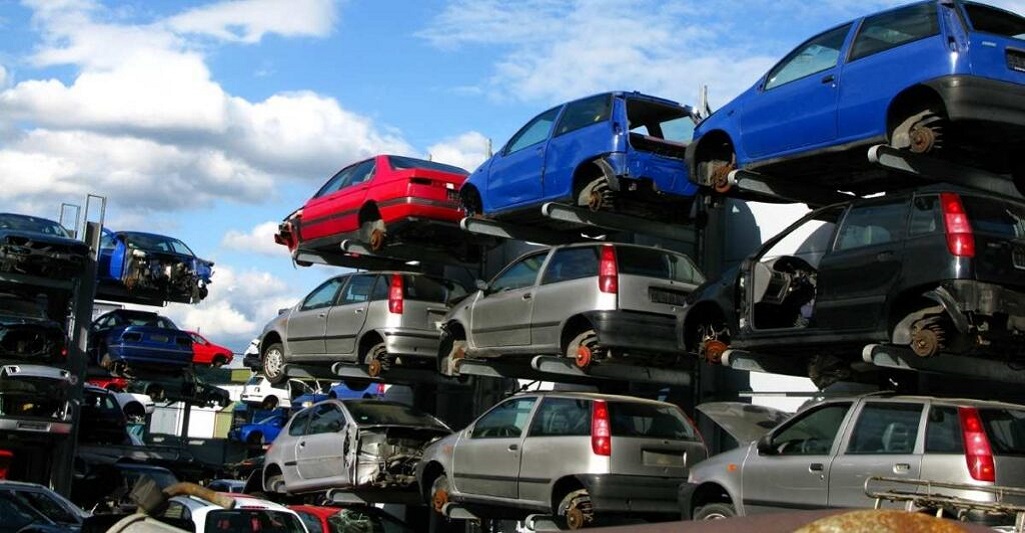
Many vehicle owners wonder what actually happens once their unwanted car is collected by an auto wrecker. Whether the vehicle is old, damaged, written-off, or no longer roadworthy, the wrecking and recycling process involves several important steps. Professional car wreckers Perth follow an organised system to recover usable parts, recycle valuable materials, and safely dispose of hazardous waste.
Modern vehicle recycling not only helps clear unwanted cars from properties but also supports environmental sustainability by reducing landfill waste and reusing automotive components. Understanding the process can help vehicle owners feel more confident when selling their scrap or unwanted cars.
How Auto Wreckers Collect Scrap Cars
The process usually begins when a vehicle owner contacts a wrecker for a quote. After discussing the make, model, age, and condition of the vehicle, the wrecker arranges a pickup time suitable for the seller. Most professional wreckers use tow trucks or vehicle transport equipment to safely collect cars from homes, workplaces, accident sites, or roadside locations.
Once the car is collected, the owner is generally required to provide proof of ownership and complete any necessary paperwork related to the sale or disposal of the vehicle.
Legal Checks Before Vehicle Disposal
Before dismantling begins, auto wreckers usually perform several legal and identification checks on the vehicle. This step helps ensure the car has not been reported stolen and that ownership records are valid. Vehicle identification numbers (VINs), registration details, and ownership documents are commonly reviewed during this process.
In Western Australia, professional wreckers follow regulations related to vehicle disposal, recycling, and environmental safety.
How Wreckers Remove Hazardous Materials
One of the most important steps in vehicle recycling is the safe removal of hazardous fluids and materials. Cars contain several substances that can harm the environment if not handled correctly, including:
- Engine oil
- Coolant
- Brake fluid
- Transmission fluid
- Fuel
- Battery acid
Professional wreckers carefully drain and store these materials using specialised equipment before dismantling the vehicle. Batteries, tyres, and airbags are also removed separately because they require proper disposal or recycling methods.
Which Car Parts Are Reused or Sold?
After hazardous materials are removed, the vehicle is inspected for reusable components. Many parts from damaged or unwanted vehicles still have value and can be resold as used auto parts Perth. Common reusable parts include:
- Engines
- Gearboxes
- Alternators
- Starter motors
- Doors and mirrors
- Headlights and tail lights
- Wheels and tyres
- Radiators
- Interior components
These recycled parts are often cleaned, tested, and sold to customers looking for affordable replacement components. Reusing parts also reduces manufacturing demand and helps extend the lifespan of other vehicles on the road.
How Scrap Metal Recycling Works
Once valuable parts are removed, the remaining vehicle shell is prepared for metal recycling. Most cars contain large amounts of steel, aluminium, copper, and other recyclable metals. The stripped vehicle body is usually crushed or compacted before being sent to metal recycling facilities.
At recycling plants, the metal is processed, melted down, and reused in the production of new products and industrial materials. Recycling automotive metal helps conserve natural resources while reducing the need for mining and raw material extraction.
What Happens to Number Plates and Registration?
Vehicle registration and number plates must also be handled correctly during the wrecking process. In many cases, owners remove their registration plates before the vehicle is collected. Depending on the registration status, plates may need to be returned to the relevant transport authority.
If the vehicle still has active registration, owners may also be eligible for a partial registration refund. Keeping copies of ownership transfer documents and cancellation paperwork is important for legal and financial records.
Environmental Benefits of Car Recycling in WA
Vehicle recycling provides several environmental benefits for Western Australia. Recycling old cars reduces the amount of waste sent to landfill and helps conserve valuable materials that can be reused in manufacturing industries.
Recycling automotive metals also uses less energy compared to producing new raw materials from mining operations. In addition, proper disposal of hazardous substances helps protect local ecosystems and waterways from pollution.
Can a Wrecker Resell Your Vehicle?
Not every vehicle collected by a wrecker is immediately crushed or destroyed. Some vehicles may still contain repairable components or may even be suitable for restoration depending on their condition. In certain cases, wreckers may refurbish salvageable vehicles or dismantle them for individual parts sales.
Cars with heavily damaged engines, major structural problems, or severe accident damage are more likely to be fully recycled for scrap metal. The decision usually depends on the age, condition, market demand, and repair costs associated with the vehicle.
Final Thoughts
Auto wrecking involves much more than simply towing away unwanted vehicles. From removing hazardous materials and salvaging reusable parts to recycling scrap metal responsibly, the process helps reduce waste while supporting environmentally friendly vehicle disposal practices.
Understanding what happens after your car is collected can help you make informed decisions when selling an unwanted vehicle in Perth. Professional auto wreckers follow organised recycling procedures that benefit both vehicle owners and the environment while ensuring valuable automotive materials are reused whenever possible.